
📝 Publications
* : co-first author, ✉ : corresponding author
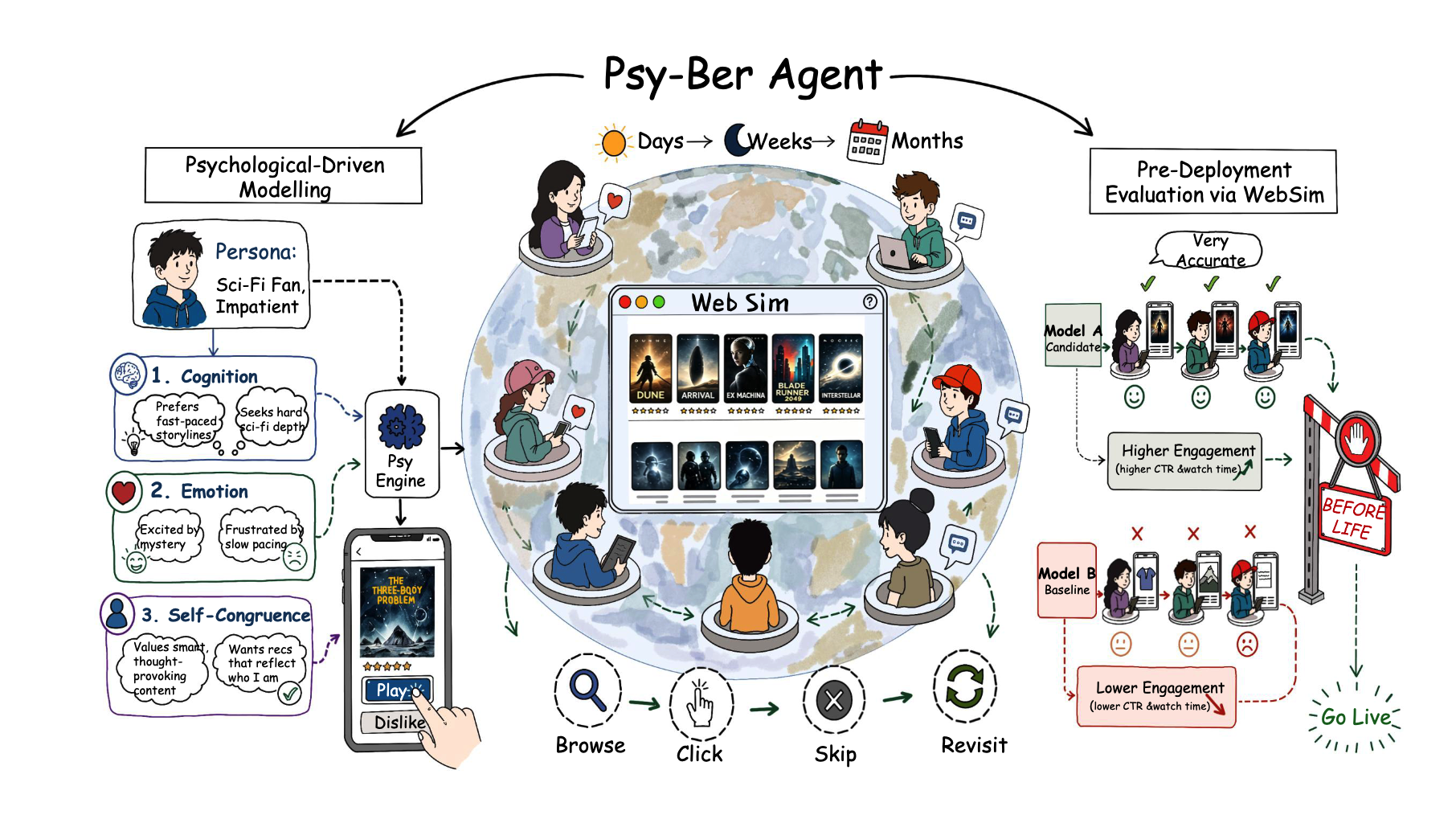
Psychologically Grounded User Simulation for Recommender Systems
Ongoing Project;

- PsyBer-Agent is a psychology-driven user simulator designed for the reliable pre-deployment evaluation of recommender systems. Unlike traditional LLM-based simulators that merely imitate surface behaviors, PsyBer-Agent utilizes a “Psy-Engine” to model evolving latent states, including exposure, fatigue, and affect. It calibrates these dynamics against real-world interaction logs using Gromov-Wasserstein optimal transport, enabling high-fidelity simulation without fine-tuning the backbone LLM. Supported by the new WebSim platform and PsyBer Benchmark, evaluations across movie and e-commerce domains show that PsyBer-Agent significantly outperforms prompt-only models in behavioral realism, robustness, and interpretability.
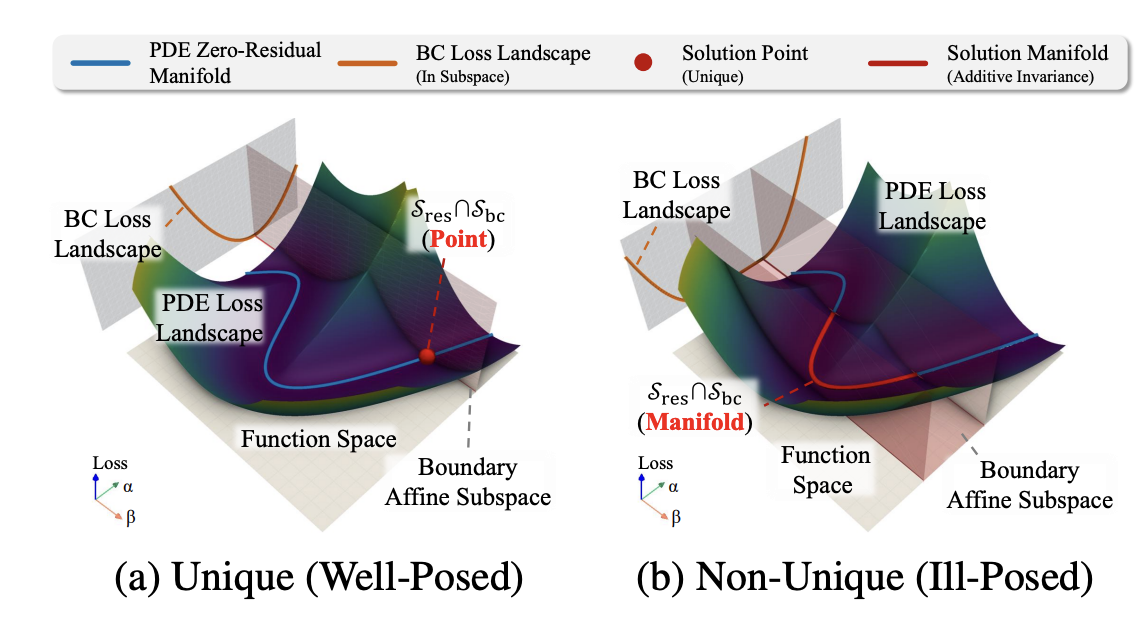
Mitigating Gradient Pathology in PINNs through Aligned Constraint
Yichen Luo, Peiyu Zhu, Dongxiao Hu, Jia Wang, Tailin Wu, Dapeng Lan, Yu Liu, Zhibo Pang ✉
- To address “gradient pathology” in PINNs caused by conflicting gradients between PDE residuals and boundary constraints, this paper proposes Constraint-Aligned loss with Manifold Lifting (CAML). By reformulating zeroth-order terms into aligned constraints and introducing a delay factor to bypass high-curvature regions, CAML effectively mitigates gradient conflicts. Experiments demonstrate that CAML significantly enhances numerical stability and optimization efficiency, particularly for complex PDEs with composite boundary conditions.
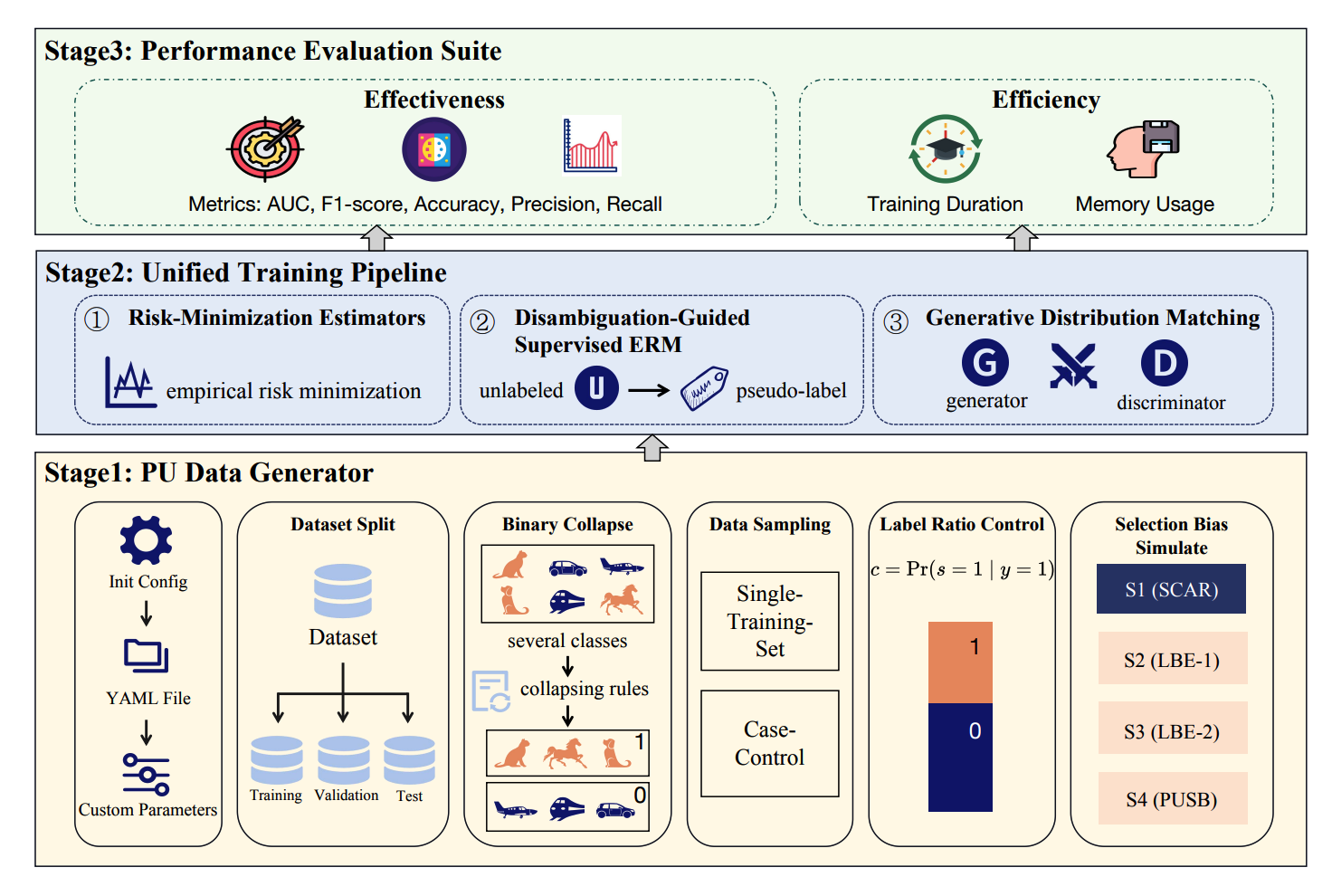
Pu-Bench: A Unified Benchmark for Rigorous and Reproducible PU-Learning
Qiuyi Chen*, Haiyang Zhang, Leqi Zhang, Changchun Li, Jia Wang, Wei Wang

- This paper introduces PU-Bench, the first open-source unified benchmarking platform for Positive-Unlabeled (PU) learning, designed to provide a rigorous, systematic, and reproducible evaluation framework through standardized data generation, algorithm integration, and assessment protocols.
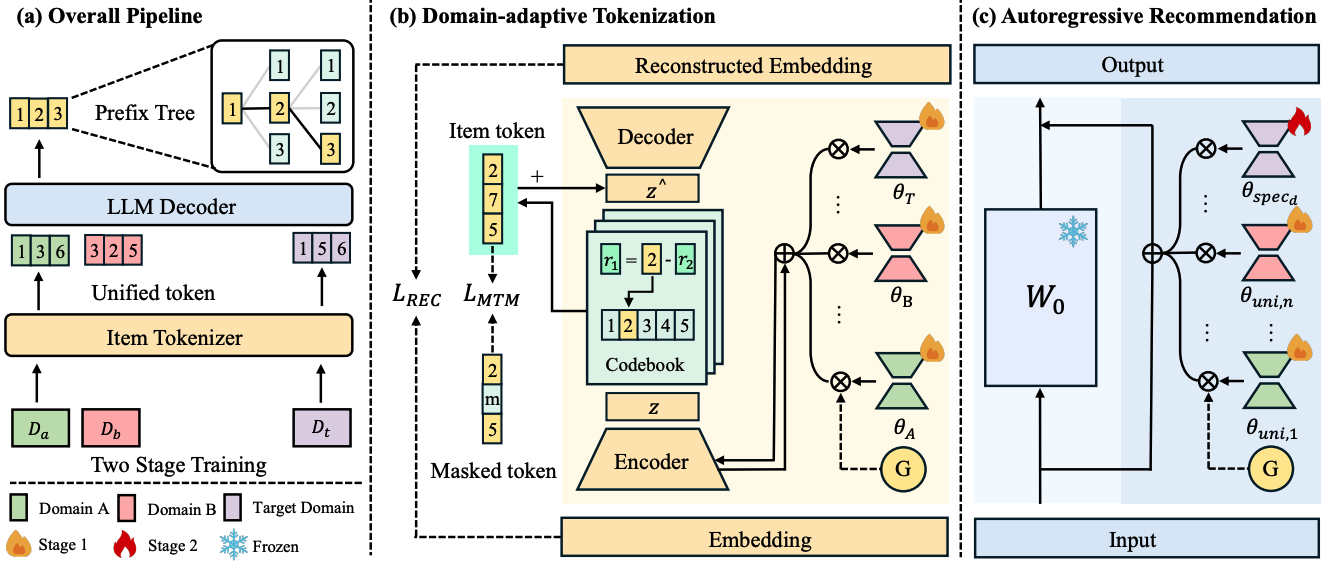
From IDs to Semantics: A Generative Framework for Cross-Domain Recommendation with Adaptive Semantic Tokenization
Peiyu Hu*, Wayne Lu*, Jia Wang ✉

- We propose a novel generative cross-domain recommendation framework, GenCDR. To the best of our knowledge, this is the first work to introduce the generative semantic ID paradigm into LLM-based cross-domain recommendation.
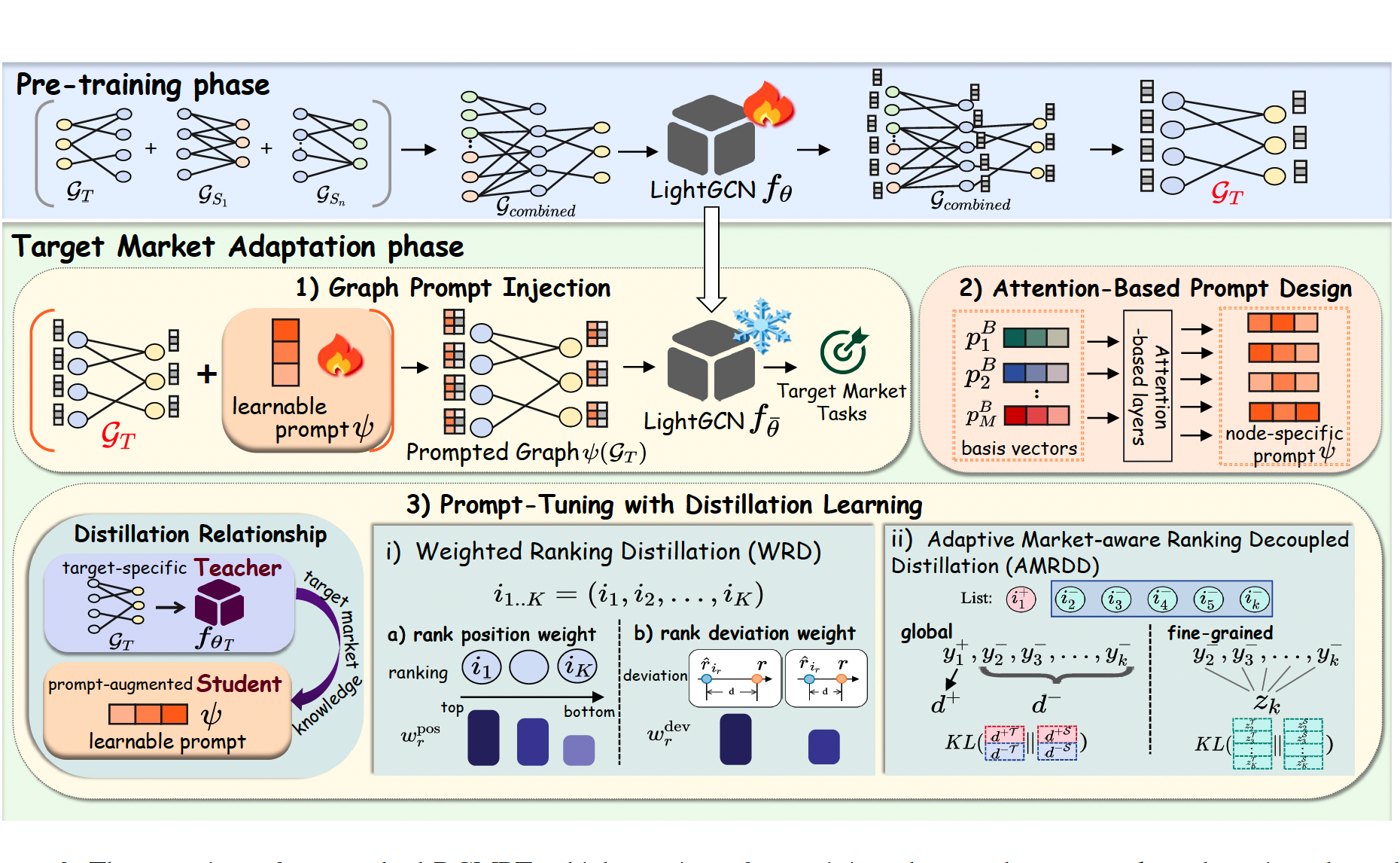
Breaking Down Market Barriers: Distilled Prompt-Tuning Approach for Cross-Market Recommendation
Leqi Zhang*, Wayne Lu, Haiyang Zhang, Elliott Wen, Zhixuan Liang, Jia Wang ✉
- A self-improving framework that enhances Embodied Visual Tracking (EVT) with Vision-Language Models (VLMs) to recover tracking from failure.
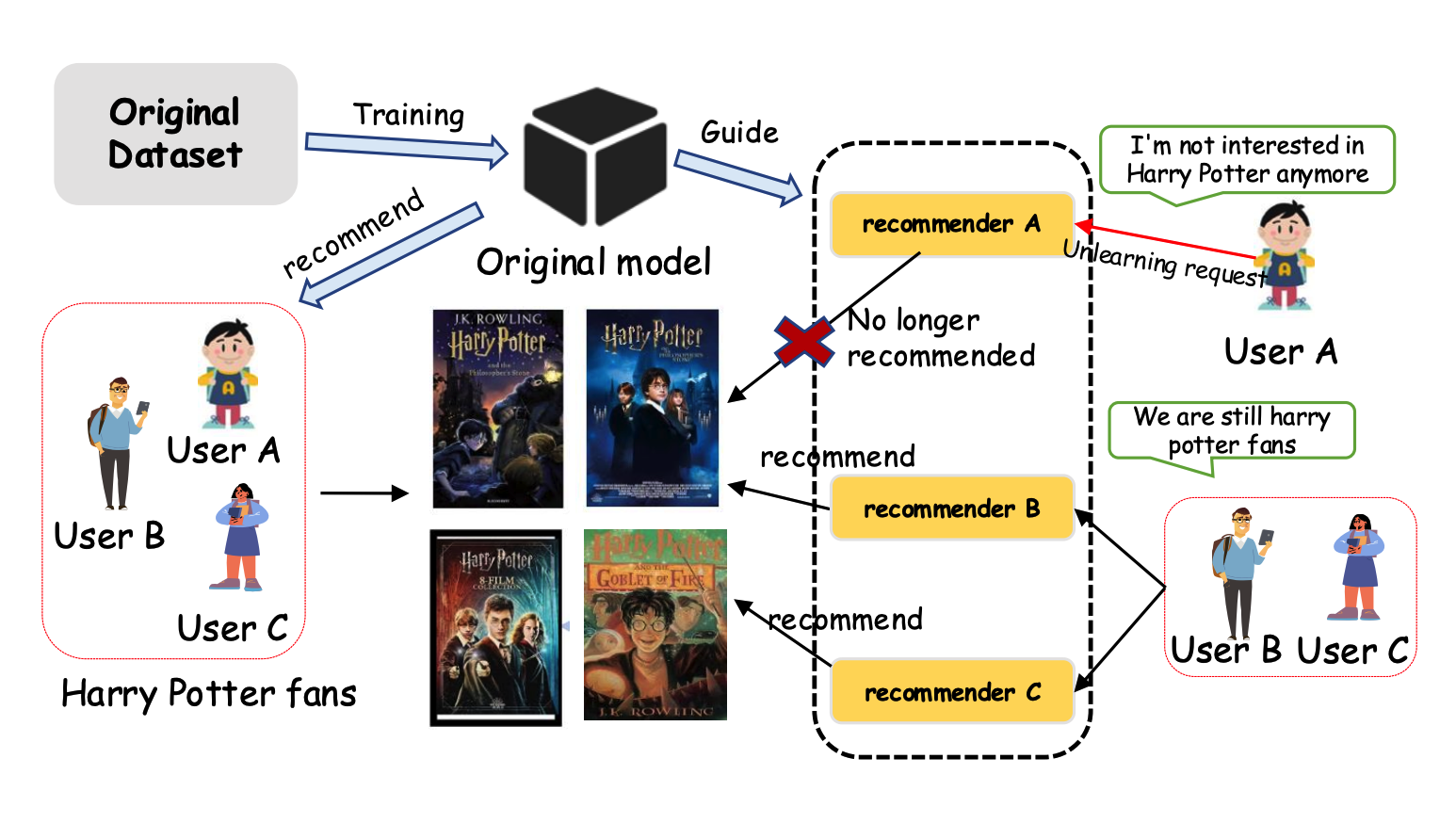
Customized Retrieval-Augmented Generation with LLM for Debiasing Recommendation Unlearning
Haichao Zhang*, Chong Zhang, Peiyu Hu, Shi Qiu, Jia Wang✉

- CRAGRU is a unified framework that integrates RAG (Retrieval-Augmented Generation), Large Language Models (LLMs), and Recommendation Unlearning. The framework is modular, reproducible, and designed for flexible experimentation.
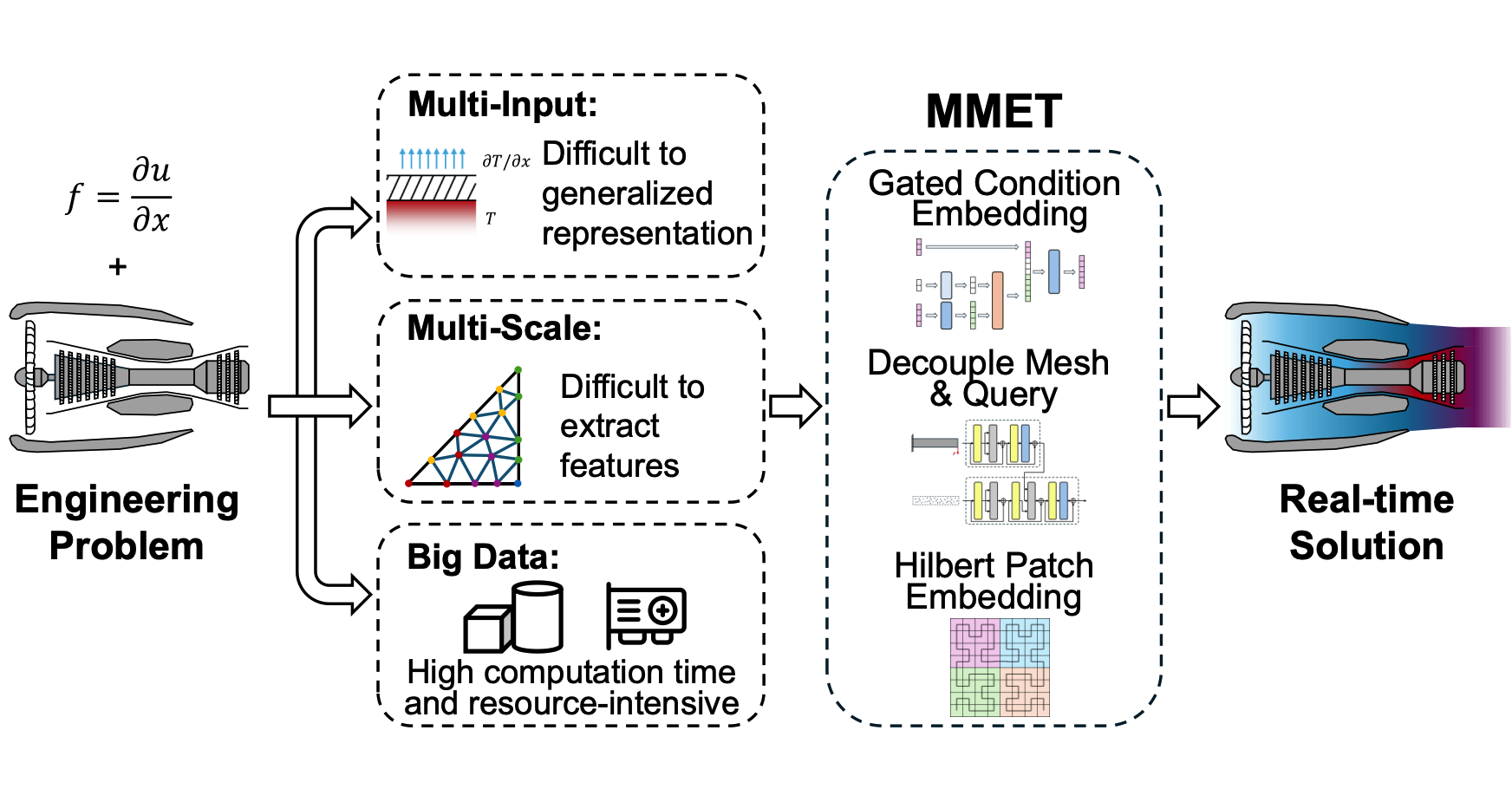
MMET: A Multi-Input and Multi-Scale Transformer for Efficient PDEs Solving
Yichen Luo, Jia Wang , Dapeng Lan, Yu Liu, Zhibo Pang∗✉

- MMET (Multi-Input and Multi-Scale Efficient Transformer) is a Transformer-based framework tailored for solving partial differential equations (PDEs) in complex scientific and engineering domains.
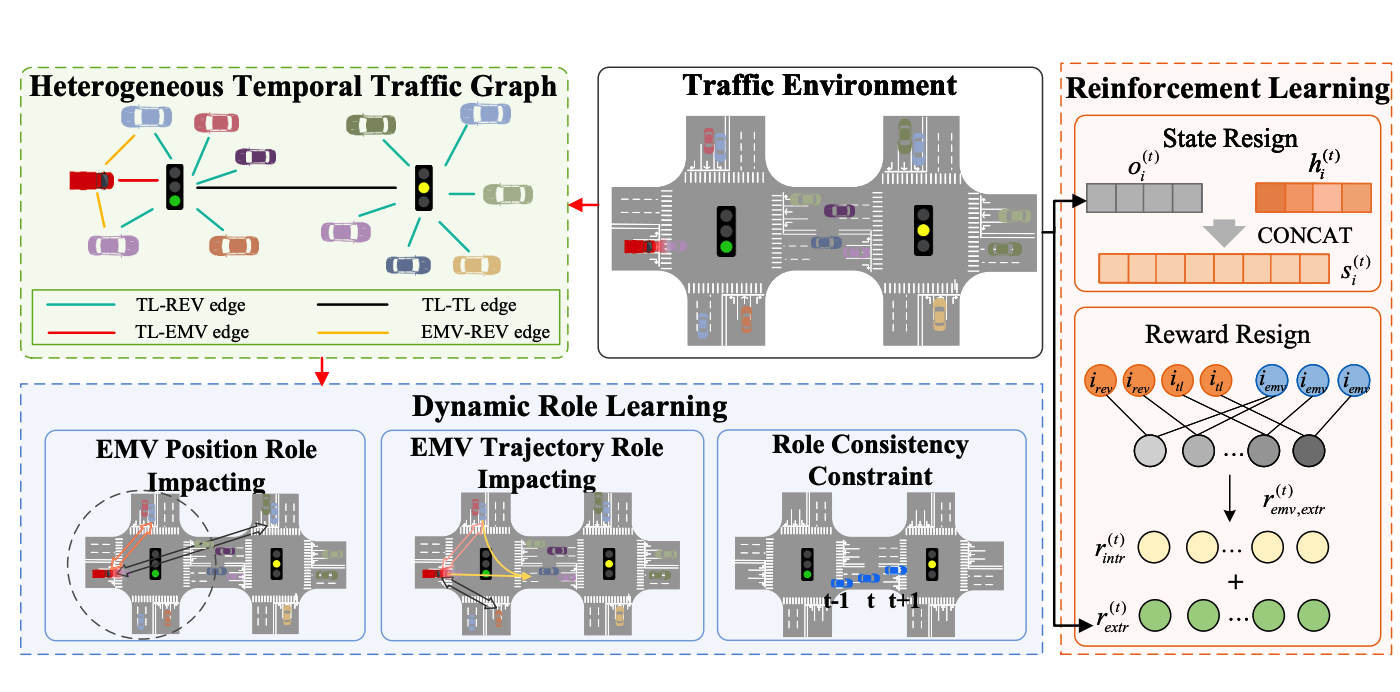
Role-aware Multi-agent Reinforcement Learning for Coordinated Emergency Traffic Control
Ming Cheng, Hao Chen, Zhiqing Li, Jia Wang, Senzhang Wang

- This paper studies the challenge of emergency traffic control and the limitations of existing models. The authors propose the RMTC framework, which uses HTTG, dynamic role learning, and role-aware multi-agent RL to coordinate traffic components.
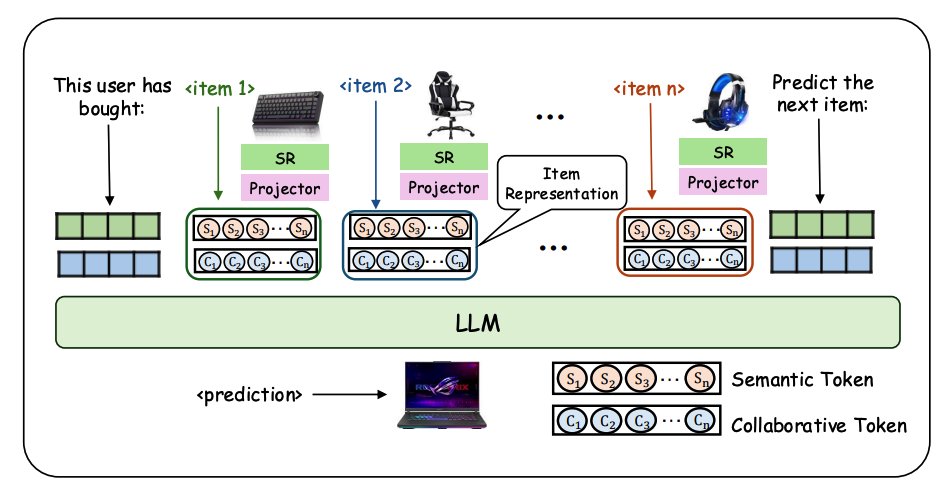
Uncertainty-Aware Semantic Decoding for LLM-Based Sequential Recommendation
Chenke Yin*, Fan Li*, Jia Wang✉, Dongxiao Hu, Haichao Zhang, Chong Zhang, Yang Xiang
- introduce the Uncertainty-aware Semantic Decoding framework to address the misalignment between standard text generation approaches and recommendation requirements.